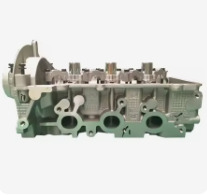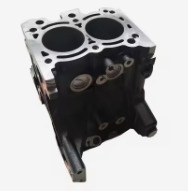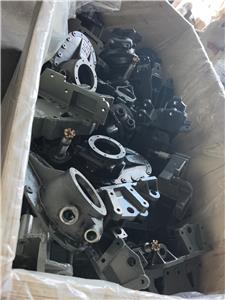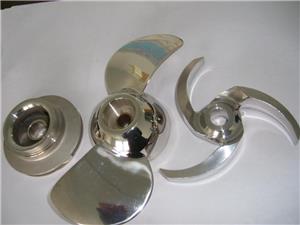
Brass Castings For Agricultural Machinery

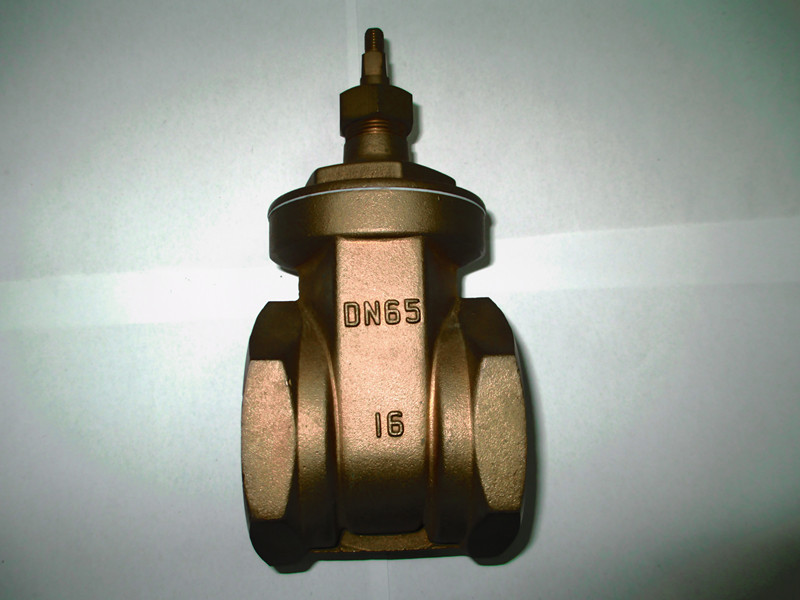
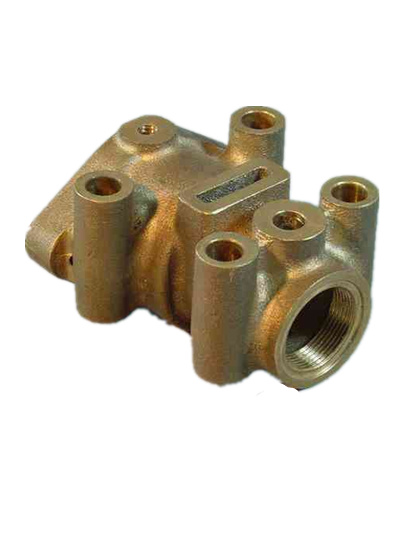
- Yaojia
- china
- 25 days
- 3 Million Tons
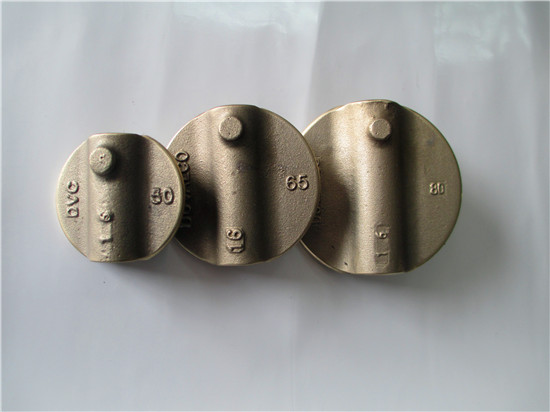
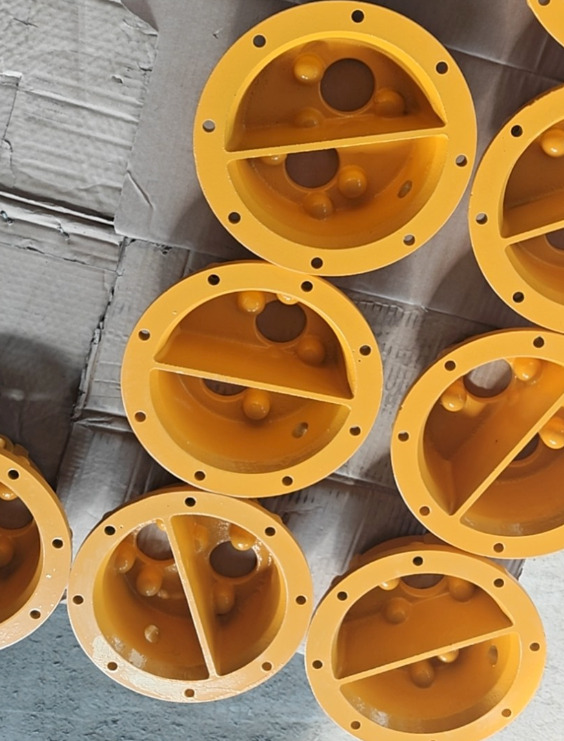
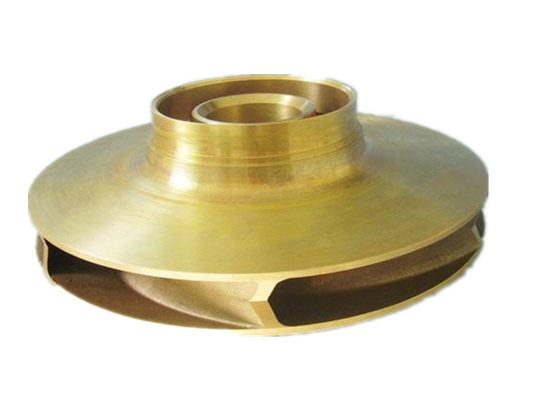
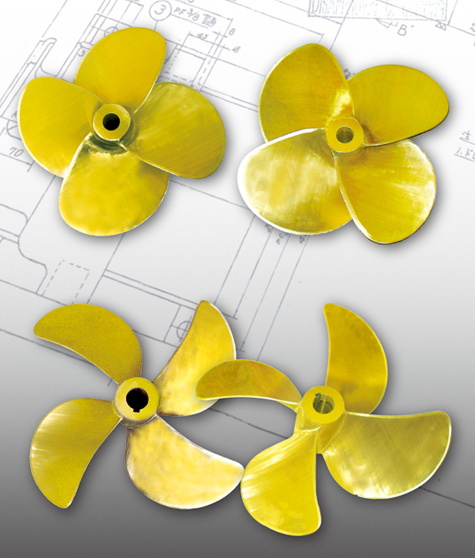
Yaojia Trading provides high-quality brass castings designed to withstand the demanding conditions of agricultural operations.
Brass Castings for Agricultural Equipment – Built for the Field
One problem we hear from agricultural equipment manufacturers and farmers
Materials used in mud, water, and fertilizer require much more than basic strength.
For instance, a valve may mostly be in water for its entire lifespan, a bushing could be surrounded by dust and soil during machine operation, while other parts may be subjected to fertilizer, hydraulic fluids, or cleansing chemicals. During a working season, machines keep working through vibration and repeated loading.
Equipment manufacturers (OEMs), retailers of agricultural equipment, and farmers say they all have witnessed this. One might think the dimensions of the part are the main problem, but in truth, the part may have been the right size and still not last long if the material isn't adapted to the working environment.
With most agricultural applications, brass has properties of resisting corrosion; wearing well; and is readily machinable. That being the only reason why, brass casting continues to be a component in the production of irrigating devices, spray machines, harvesters, tractor accessories, and hydraulic parts.
The Yaojia approach:
Ours is a production system that takes orders as long as the customer can make a technical drawing, provide the samples, or describe the use. We also offer finishing machining and the like when it is necessary to have precision on holes, threads, and sealing flats.
More than a cast piece. It is a field-able assembly.
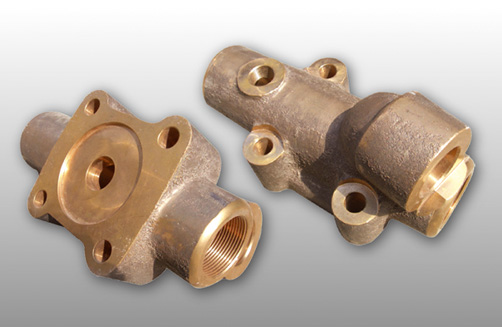
Technical specifications
| Parameter | Specification |
|---|---|
| Brass alloys | C83600 (leaded brass), C85700 (leaded brass for machining), C86300 (manganese bronze), C87600 (silicon brass) |
| Tensile strength | 300–600 MPa |
| Yield strength | 120–400 MPa |
| Elongation | 10–30% |
| Hardness | 80–180 HB |
| Corrosion resistance | Immune to fresh water, fertilizers, and mild chemical agricultural products |
| Casting processes | Sand casting, die casting, investment casting |
| Max. part size | Up to 500mm length, 300mm width |
| Surface finish | As-cast Ra 6.3–12.5μm, machined Ra 1.6–3.2μm |
| Pressure rating | Hydraulic testing up to 20 bar |
The use of brass castings in agricultural equipment
Valve bodies, pipe connectors, sprinklers & fittings, water-control units, nozzle parts of
Pump housings, flow-controller valves, nozzle adaptors, regulating assemblies, connection fittings of sprayers, and the equipment to handle chemicals.
Hydraulic couplers, valve blocks, connection bodies, fluid-control elements, sealing-related hardware of hydraulic assemblies.
Harvesting machinery:
Guide elements, rolling assembly parts, bushings, conveyor-related parts, wear sleeves.
Tractor and Implement connections:
PTO-related bushings, coupling elements, mounting components, linkage connection pieces, wear-related interfaces.
The reason for the selection of material in agricultural machinery
If a component of low cost is used and wears out prematurely, the real cost involved goes way beyond the replacement part price — it includes labor, transportation, loss of time, and during a hectic season, production will suffer serious setback.
The benefits brass provides:
Immunity to water exposure
Easy machinability (threads, holes)
Reasonable wear for the moving parts
Corrosion resistance in agriculture conditions
The bottomline: the selection of alloys has to consider the working conditions as they actually were at that time — not just because it’s the cheapest grade that is available.
Quality control — our 5-step inspection process
For agricultural brass castings, quality control is built into every stage of production. We follow a structured inspection process that ensures every part meets drawing requirements before it ships.
| Step | Inspection stage | What we check | Method | Control standard |
|---|---|---|---|---|
| 1 | Incoming material verification | Material grade, dimensions | Spectrometer, micrometer | 100% traceability; dimensions within tolerance |
| 2 | First-article inspection | Full dimensional check on first casting | CMM, thread gauges, hardness tester | All features per drawing |
| 3 | In-process inspection | Critical dimensions, casting quality | Sampling, visual inspection | Key features checked per control plan |
| 4 | Final dimensional inspection | Full dimension check on finished part | CMM, profilometer, hardness tester | 100% critical dimensions verified |
| 5 | Final visual & documentation review | Surface finish, coating, packaging | Visual inspection | Zero defects; all documentation complete |
Key inspection equipment: CMM, hardness tester, spectrometer, pressure test equipment, visual inspection stations
What we deliver: Material certificates, dimensional reports, CMM data, hardness test results, pressure test reports, full traceability
The support of Yaojia for the manufacturing of the new parts and the replacement ones
Custom brass casting
Casting method (Sand casting, die casting, investing in casting)
Prototyping
CNC machining, drilling, threading
Surface treatment
Measurement
Low-volume production of replacement parts
Mass manufacture
Ordering and delivery
To get a quote, send us:
2D drawing, 3D CAD model, or physical sample
Material specification and grade
Quantity required
Machining and surface treatment requirements
Inspection or certification requirements
Delivery schedule expectations
MOQ: 50 pieces for standard production. Prototype quantities and small batches can be discussed.
Payment: 30% deposit; balance after inspection video confirmation (T/T).
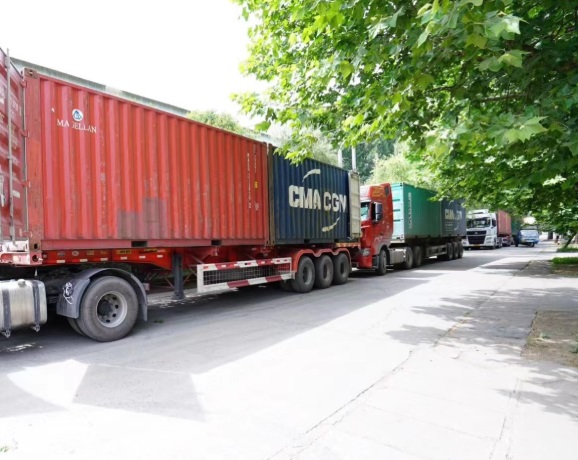
Shipping: FCL or LCL available. Protective packaging and reinforced crates.
Lead time: Standard production: 15–25 working days. Complex geometries or special materials: 25–40 working days. We confirm exact lead time at order placement.
Warranty
We are responsible for 12 months from the time of delivery. If a part fails due to manufacturing defects like - Casting defect, machining error, wrong materials - we replace the part or give credit. Wear parts, broken impact part or modified ones from delivery? Not covered.
We give straight answers whether the warranty is applicable or not.
For making claims, you can send us images of the part, the part number, and the order number. After that we will respond within 48 hours.
If a production batch is faulty, we remould the batch keeping all the standards in the original work same, like drawing, material and tolerance.
If you have any questions? About materials, specifications, machining instructions, drawings, etc., we directly respond to you. Never a dead end.
About Yaojia Trading
Luoyang Yaojia Trading Co., Ltd. has over 20 years of practical experience in casting and metal component manufacturing. The company was founded by Mr. Xi Xianmin, who has more than 25 years of experience in foundry production and engineering management.
Our capabilities:
18,000m² modern production base
~68 employees
16-person R&D team with two senior engineers
Annual casting and machining capacity:15,000 tons
IATF 16949 quality management certification
Integrated services:
Brass casting (sand, die, investment)
Multi-axis CNC machining
Heat treatment
Surface treatment and coating
Inspection and CMM
Pressure testing
Supply-chain coordination
Customers & markets:
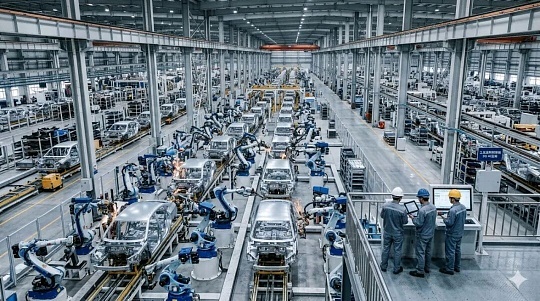
Tier 1 supplier to BYD, Chery, Great Wall Motors
Agricultural equipment OEM supply
Aftermarket replacement parts
Products exported to South Korea, Japan, USA, Australia, Germany
Exhibition
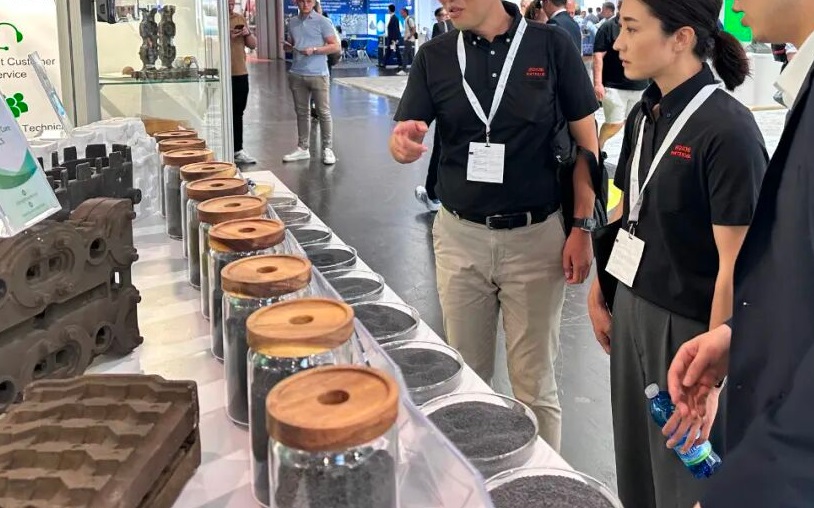
In May 2024, Yaojia Trading exhibited at the China International Foundry Technology and Equipment Exhibition in Shanghai, showcasing casting accuracy and comprehensive industry-chain service capabilities.
FAQ
Q1: What types of Brass are suitable for agricultural machineries?
It depends on the use of that part and the environment in which it is situated whether the brass types of grades C83600, C85700, C86300, and C87600 will get selected.
Q2: Are brass castings suitable for irrigation appliances?
Undeniably they can be. It is due to water resistance and being easy to machine that brass has been very widespread as a material for manufacturing water-handling components. The selection of alloy depends on things like quality of water, pressure levels, and conditions of operation.
Q3: Can brass castings tolerate agricultural chemicals?
Chemical concentration and nature being the factors, the brass may react differently. Brass is a suitable material in general agricultural environments, but it is always safer that the material compatibility is ascertained before handling aggressive chemicals.
Q4: Do you supply brass castings that have been machined?
We surely do. The casting can be delivered as is or it can be further machined if drilling, threading, boring or finishing of critical surfaces are required.
Q5: Can you make replacement parts for older machines?
No doubt. We can have existing drawings, samples, or even badly worn part for references. Documentation that is missing can get us down to the original part by reverse engineering it.
Q6: Do you accept prototype and small-batch orders?
Absolutely. Development of new products or fit-checking or field - testing may need to be done which is possible with prototype pieces and smaller production runs.
Q7: What's your lead time normally?
Normal: 15–25 working days. Complexity: 25–40 working days. It gets confirmed with order placement.
Q8: What's your MOQ?
If we talk about standard production, 50 pieces would be the required minimum for order. For prototypes and small quantities, it can be negotiated.
Q9: What is the capacity of Yaojia for the production?
At the level of manufacturing, including casting and CNC machining operations, we can handle 15,000 tons a year.
Q10: What are the certifications in the hands of you?
We are certified according to IATF 16949. In addition, we are Tier 1 suppliers of BYD, Chery, and Great Wall Motors among others.
Four questions to ask any agricultural brass casting supplier
What brass alloys do you recommend for water and fertilizer exposure?
Can you supply both castings and fully machined finished parts?
What inspection and material certification do you provide?
Do you have experience with similar agricultural components?
We have answers ready. Ask us.