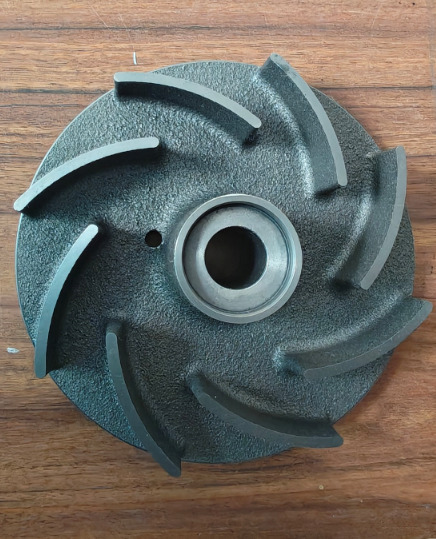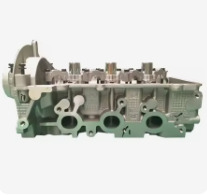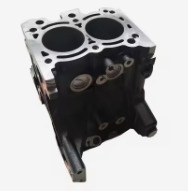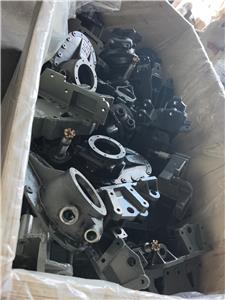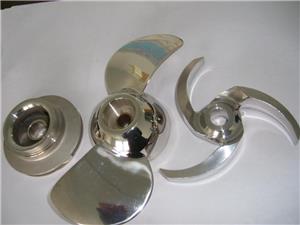
Casting Products With CNC Milling

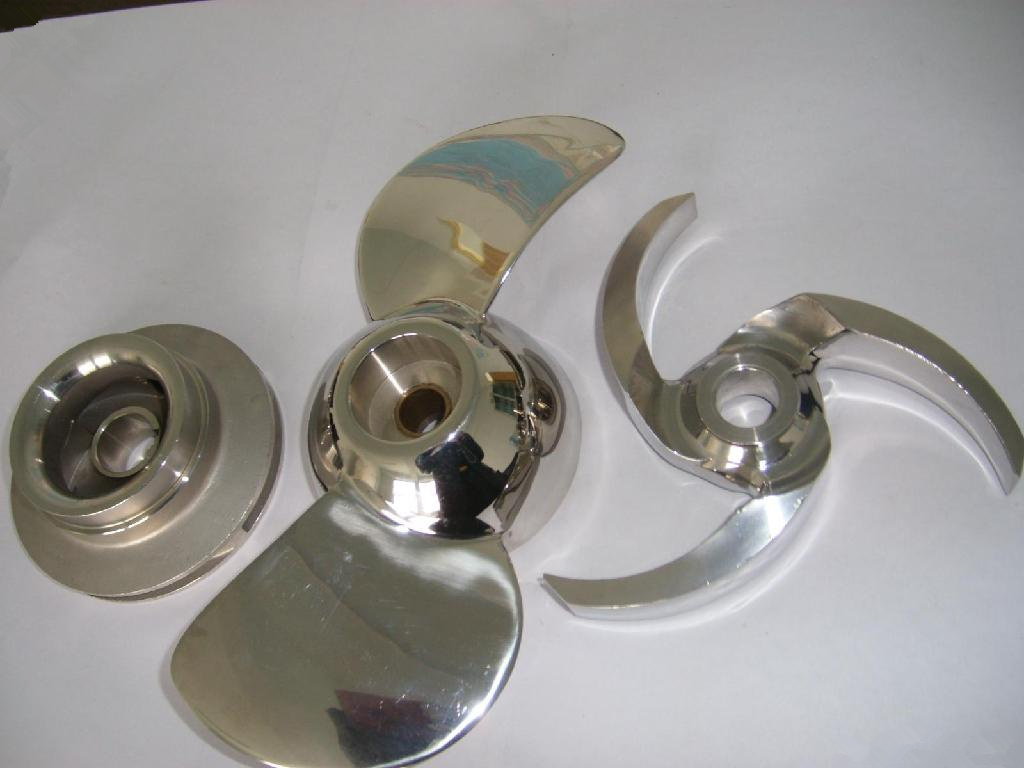
- Yaojia
- china
- 25 days
- 3 Million Tons
Yaojia Trading offers a fully integrated manufacturing process that combines advanced casting techniques with multi-axis CNC milling.
Casting Products with CNC Milling – One Supplier, One Process, One Finished Part
One problem we hear from engineers and procurement teams
A part may meet its drawing requirements but still cause difficulties in assembly.
A few examples: a mounting hole shifting slightly, a machining datum does not coincide with that of casting, and a finished surface is positioned outside that required in the final assembly. Each of those errors is tiny. Taken together, however, they can result in rework, inspection delays and unnecessarily complex coordination between suppliers.
Engineers, Quality Managers, and procurement teams in automotive, industrial equipment, and machine sectors have told us about this.
The problem often occurs when different suppliers deal with casting and machining - each works from the same drawing, but they do not share a common understanding of the making of the finished part.
Our Yaojia way:
We bring together metal casting together with CNC machining under one factory set up.
By having casting machining inspection and delivery requirements treated as components of one single project. This simplifies the drawing or sample to finished component process and is a big plus for buyers.
On the part of the industrial customer, the benefit can be described in simple terms: Fewer suppliers, clearer technical communication and the supplier will be the one ensuring the part is finished up to specs.
It is not just metal casting but a part that is totally finished and assembly ready.
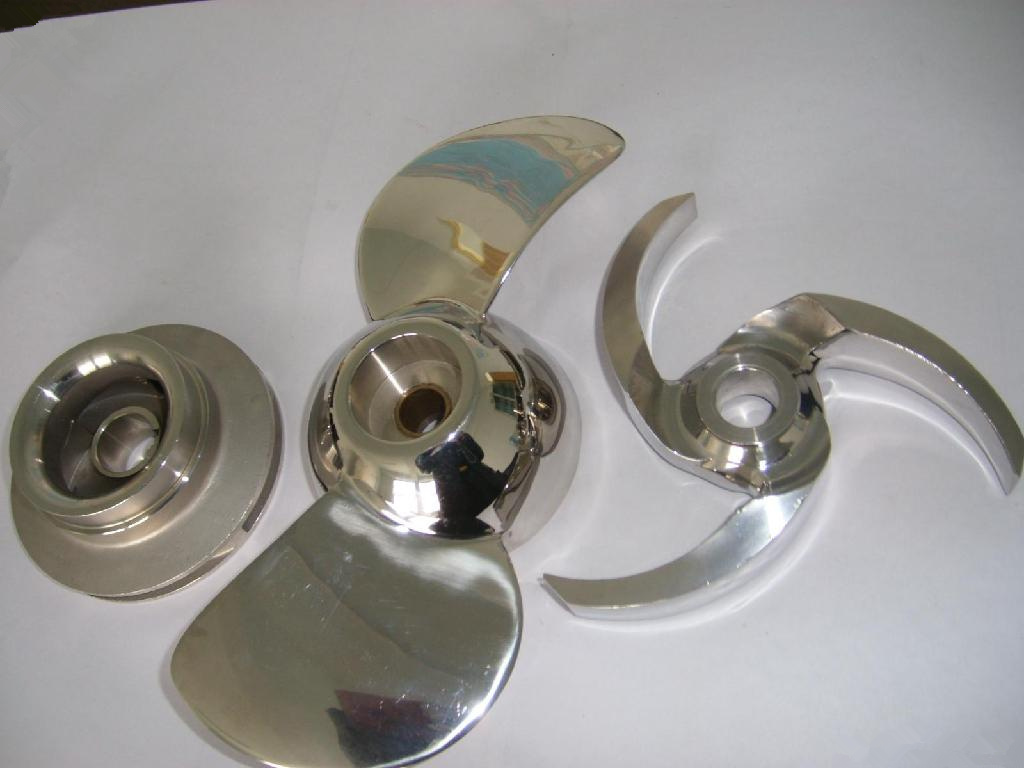
Technical specifications
| Parameter | Typical specification |
|---|---|
| Materials | Aluminum alloys, gray iron, ductile iron, brass, bronze, steel alloys |
| Casting processes | Sand casting, investment casting, die casting, shell molding |
| CNC machining | 3-axis to 5-axis milling, turning, and drilling as required |
| Typical part size | Up to approx. 1500 × 1000 × 600 mm, depending on process |
| Casting tolerance | Typically ISO 8062 CT8–CT10; tighter grades may be possible by process |
| Machined tolerance | Typically ±0.02–0.10 mm, depending on feature and drawing requirements |
| Surface roughness | Machined surfaces typically Ra 0.8–3.2 μm |
| Machined features | Holes, threads, slots, pockets, flat surfaces, bores, and complex profiles |
| Secondary operations | Drilling, tapping, boring, deburring, heat treatment, and surface treatment |
Actual tolerances, dimensions, materials, and inspection requirements are confirmed against the customer's drawings and project specifications.
Why combine casting and CNC machining?
One reason is that for many industrial parts, casting is generally the first manufacturing phase. The final part can only carry out its function if other features, like machined mounting faces, bore surfaces, threads, holes, slots, etc., are positioned correctly and the parts work together during assembly.
When the process is split across different suppliers, the customer has to handle more technical data and there will be more chances of things going wrong.
Using a combination of casting and CNC machining allows the manufacturer to consider the manufacturing plan from the very beginning. Prior to any tooling or production being made, the project can be checked for:
Dimensions of machining allowances
Datums and references
Exact mounting features
Wall thickness and cast features
Axes of tools and machine access
Sequence of machining
Assembly functions
An early-stage inspection may help detect any manufacturing issues which may only be identified after casting or machining.
Quality assurance — the inspection is our quality control system in five steps
It starts at a quality control stage to make sure that the cast and machined parts will be manufactured correctly through all production stages. Our inspection process is planned with steps to verify every manufactured unit against a technical drawing before it is shipped."
| Step | Inspection stage | What we check | Method | Control standard |
|---|---|---|---|---|
| 1 | Incoming material verification | Material grade, dimensions | Spectrometer, micrometer | 100% traceability; dimensions within tolerance |
| 2 | First-article inspection | Full dimensional check on first cast/machined part | CMM, thread gauges, hardness tester | All features per drawing |
| 3 | In-process inspection | Critical dimensions, casting quality | Sampling, visual inspection | Key features checked per control plan |
| 4 | Final dimensional inspection | Full dimension check on finished part | CMM, profilometer, hardness tester | 100% critical dimensions verified |
| 5 | Final visual & documentation review | Surface finish, coating, packaging | Visual inspection | Zero defects; all documentation complete |
Key inspection equipment: CMM, hardness tester, spectrometer, thread gauges, visual inspection stations
What we deliver: Material certificates, dimensional reports, CMM data, hardness test results, full traceability, customer-specific documentation
Typical components
Casting combined with machining is a suitable choice when both the shape of a cast product as well as precisely shaped elements matter.
Among those, there are:
Machine enclosures
Housings for gearbox and transmission
Bodies of pump and valve
Mounting brackets
Housings for bearings
Support structures
Flanges
Components of mechanical equipment
Parts to deal with fluids
Casting with machined features to be precise
At the end, the decision to the most appropriate method of production is being made taking into account of a material, shape of the part, number of units, required degree of accuracy, the purpose, among many other parameters.
From customer drawing to finished part
Usually, a manufacturing project is initiated with what is available from the buyer. Such a buyer could just hand down two-dimensional drawings at very basic detail level, even a physical sample, together with specification.
A typical flow would be:
Drawing or sample - Process evaluation -Tooling - Casting - machining - Inspection - Packaging and delivery
If it comes to machineries which heavily involve machining work, it's important that casting be done in a way leaving enough material around those areas where machining will be performed not to add unnecessary tasks of machining at the same time.
Prototype, small batch, and regular production
Some projects start off with smaller orders only. First, these buyers make samples to verify their dimensions and the fit into their assembly. After that, a buyer moves to a regular manufacturing run. In some other cases, there is an existing customer component and a manufacturer is changed, so that a steady supply of replacement parts, or continuing operation, can occur.
In the case of production of one-of-a-kind parts as well as those done in limited lots or mass production, Yaojia Trading is your reliable sourcing partner.
Prototype and sample parts
Design validation
Small-batch production
Production tooling
Ongoing supply programs
Casting with machining of the finished components
Therefore, the production method can be chosen considering the actual buying situation - that is, instead of making everything a standard production run for new developments, one can also develop the way of production around the actual purchasing phase.
Ordering and delivery
To get a quote, send us:
2D drawing, 3D CAD model, or physical sample
Material specification and grade
Quantity required
Machining and surface treatment requirements
Inspection or certification requirements
Delivery schedule expectations
MOQ: 50 pieces for standard production. Prototype quantities and small batches can be discussed.
Payment: 30% deposit; balance after inspection video confirmation (T/T).
Shipping: FCL or LCL available. Protective packaging and reinforced crates.
Lead time: Standard production: 15–25 working days. Complex geometries or special materials: 25–40 working days. We confirm exact lead time at order placement.
Warranty
We are responsible for 12 months from the time of delivery. If a part fails due to manufacturing defects like - Casting defect, machining error, wrong materials - we replace the part or give credit. Wear parts, broken impact part or modified ones from delivery? Not covered.
We give straight answers whether the warranty is applicable or not.
For making claims, you can send us images of the part, the part number, and the order number. After that we will respond within 48 hours.
If a production batch is faulty, we remould the batch keeping all the standards in the original work same, like drawing, material and tolerance.
If you have any questions? About materials, specifications, machining instructions, drawings, etc., we directly respond to you. Never a dead end.
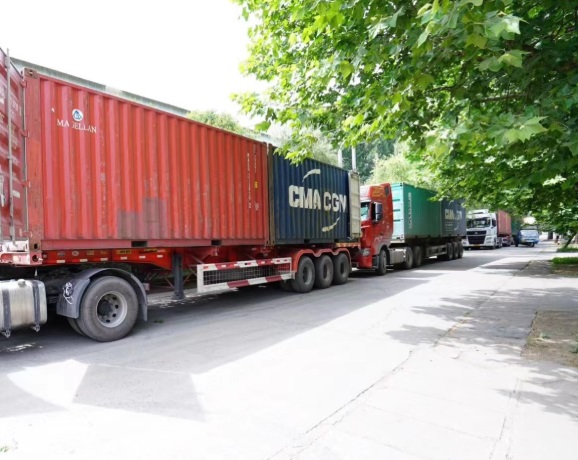
About Yaojia Trading
Luoyang Yaojia Trading Co., Ltd. has over 20 years of practical experience in casting and metal component manufacturing. The company was founded by Mr. Xi Xianmin, who has more than 25 years of experience in foundry production and engineering management.
Our capabilities:
18,000m² modern production base
~68 employees
16-person R&D team with two senior engineers
Annual casting and machining capacity:15,000 tons
IATF 16949 quality management certification
Integrated services:
Casting (sand casting, investment casting, die casting, shell molding)
Multi-axis CNC machining (3-axis to 5-axis)
Heat treatment
Surface treatment and coating
Inspection and CMM
Supply-chain coordination
Customers & markets:
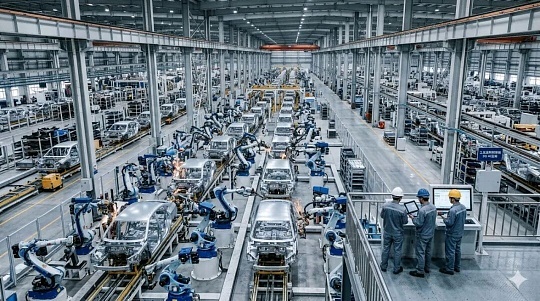
Tier 1 supplier to BYD, Chery, Great Wall Motors
Automotive OEM supply
Industrial equipment
Products exported to South Korea, Japan, USA, Australia, Germany
Exhibition
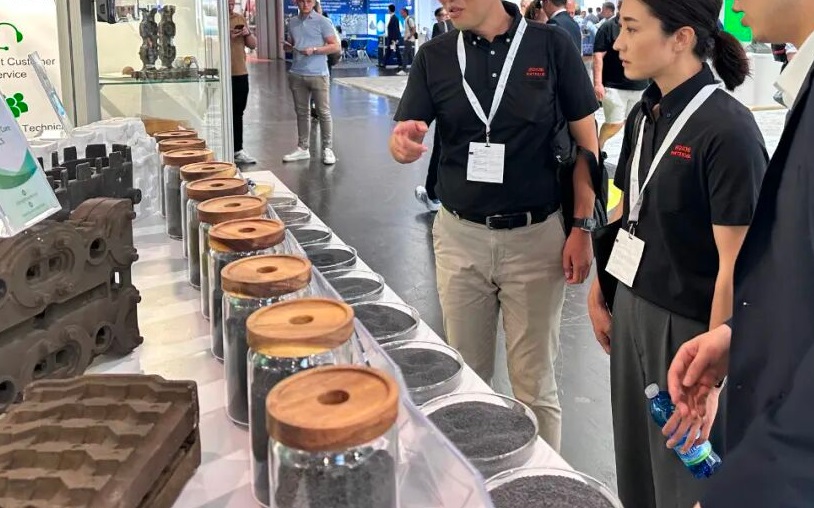
In May 2024, Yaojia Trading exhibited at the China International Foundry Technology and Equipment Exhibition in Shanghai, showcasing casting accuracy and comprehensive industry-chain service capabilities.
FAQ
Q1: Are you able to fabricate castings based on our designs?
Of course. We are comfortable using two-dimensional drawings, three-dimensional computer-aided design models, technical specifications, and physical prototypes.
Q2: Is it possible to get casting and CNC machining delivered as one?
Casting and CNC machining can be done together, saving buying time and effort that would otherwise be spent contacting multiple suppliers.
Q3: What is your range of materials?
Depending on the use and the casting process, our materials of choice include alloys of aluminum, gray iron, ductile iron, brass, bronze, and steel.
Q4: Which machine works are your offerings?
Milling, drilling, tapping, threading, turning, smoothing operation and a few others machining processes.
Q5: Could you make samples or limited production?
Yes. We can have the discussion of the prototype, samples, validation products and small lots production before you proceed with normal production run.
Q6: What is the degree of inaccuracy you can live with?
Casting tolerance is per ISO 8062 CT8-CT10. Machined features are done per customer drawing - typically ±0.02-0.10 mm.
Q7: What kind of quality control measures do you have?
Dimensional measurement, CMM inspection, material testing, hardness testing, and other tests when required.
Q8: What are the requirements of an inquiry?
Please upload drawing or CAD model, specify the material, quantity of casting, machining requirements, inspection requirements, surface treatment and the expectation of delivery time.
Q9: What is the time it usually takes to be supplied?
The general lead time is between 15 and 25 workdays, while for the complex products it can range from 25 to 40 workdays. This time is estimated at the time of placing an order.
Q10: What is your minimum order quantity (MOQ) ?
Minimum Order Quantity for mass production is 50 pcs. For sample orders or other special requests a separate MOQ is determined.
Q11: What is your yearly turnover?
Our total yearly throughput includes both casting and CNC machining, which amounts to 15,000 metric tons.
Q12: Which certifications do you have been granted?
We comply with IATF 16949, and we are major auto parts suppliers of the Tier 1 to BYD, Chery, and Great Wall Motor Companies.
Four questions to ask any casting + machining supplier
Do you control both casting and machining in-house — or do you outsource?
How do you ensure datum consistency between the casting and machining stages?
What inspection and material certification do you provide?
Do you have experience with similar components in my industry?
We have answers ready. Ask us.