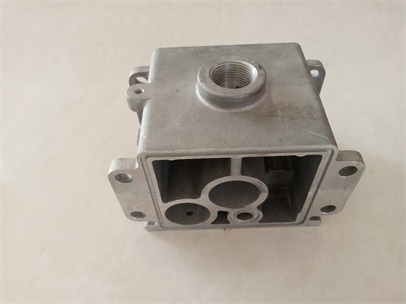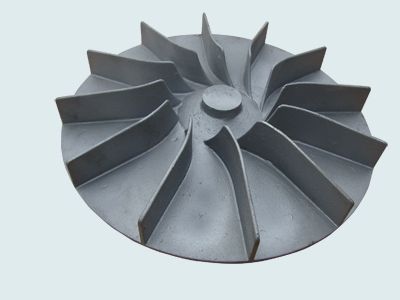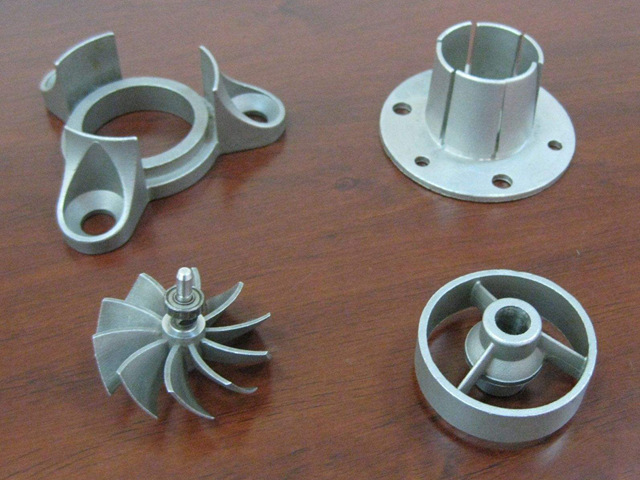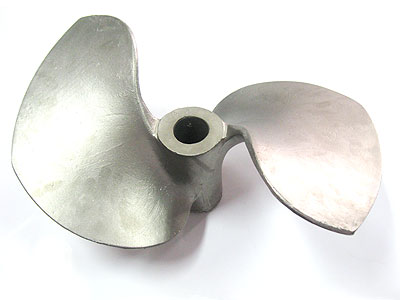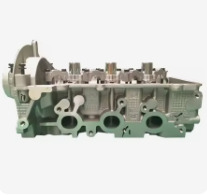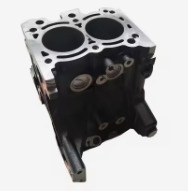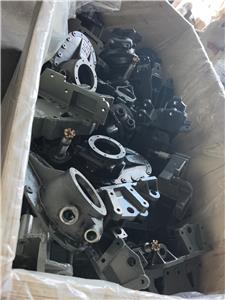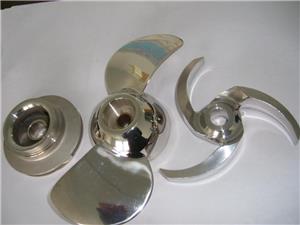
Farm Equipment Aluminum Castings

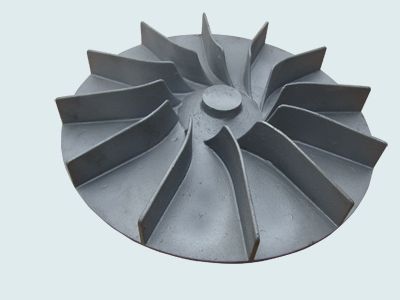
- Yaojia
- china
- 25 days
- 3 Million Tons
Yaojia Trading delivers top-of-the-line aluminum castings specifically created to optimize the efficiency, durability, and operational reliability of farm machinery.
Aluminum Castings for Agricultural Equipment – Designed for the Field
One problem we hear from agricultural equipment manufacturers
Every extra kilogram is a challenge since it will have to convince its place on the machine. Agricultural machinery tends to stay much longer in the field where it actually does its job. A tractor, for example, may work in a field for ten hours a day, whereas a harvesting machine will work without stopping, sometimes a hard and long season. Planters, Irrigation, Sprayers and other attachments are always dirty, rain washed, over fertilized, vibrated, loaded repeatedly.
Our agricultural equipment OEMs, engineers and farmers express similar problems. They all say that the lighter a component is, the more durable it should be. A good casting design is, therefore, essential, and that means a lot of variables — alloy selection, wall thickness, load paths, mounting points and machining requirements — are considered together.
Yaojia Solution:
We specialize in manufacturing agricultural equipment aluminum forgings and components — harvesting equipment, planting systems, irrigation machinery, tractors and hydraulic units plus various general-purpose farming machinery. A well-balanced casting design may save weight but still keep the part strong and stiff.
Not only a casting. A field-fit component.
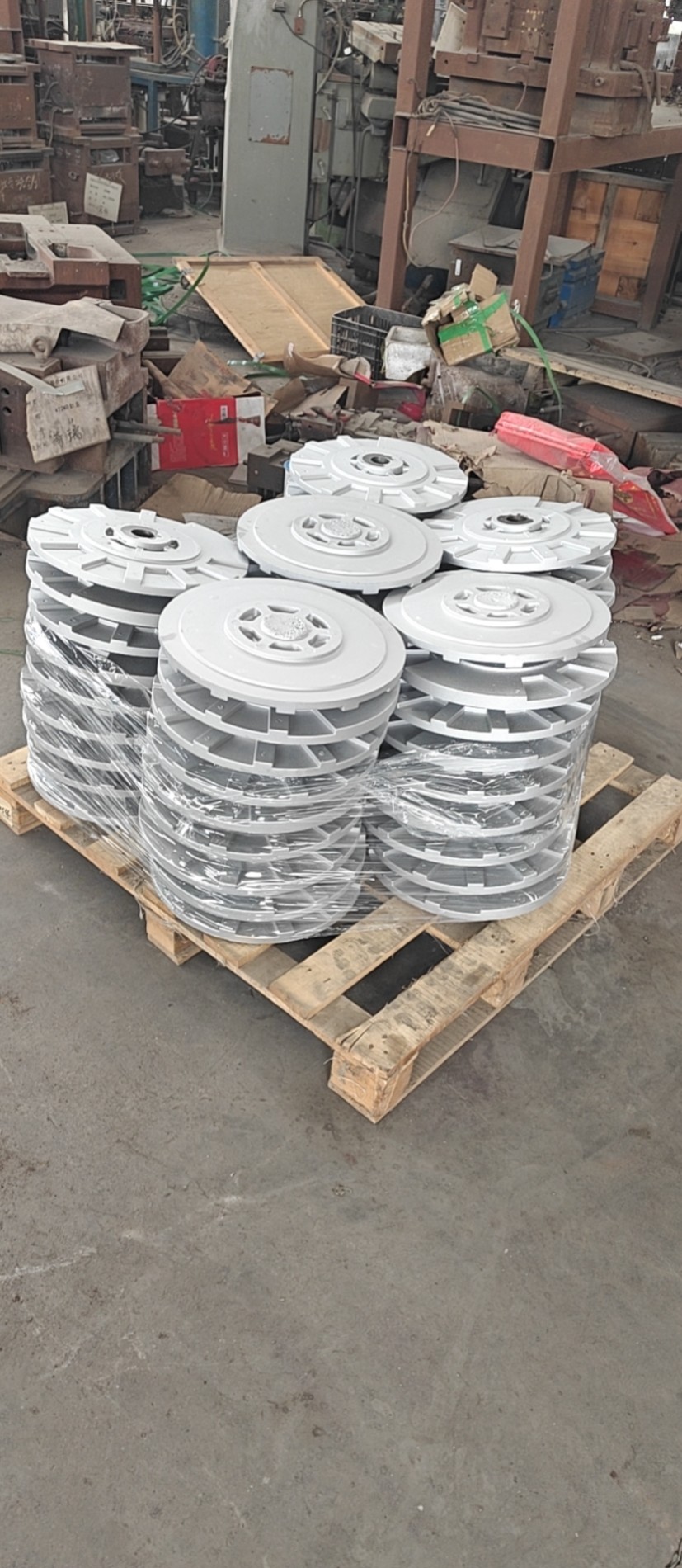
Technical specifications
| Parameter | Specification |
|---|---|
| Aluminum alloys | A356, A360, A380, 319, 356-T6, and custom grades |
| Tensile strength | 220–330 MPa, depending on alloy and condition |
| Yield strength | 130–240 MPa |
| Elongation | 2–8% |
| Casting processes | High-pressure die casting, sand casting, permanent mold casting |
| Part weight range | Approx. 0.3–50 kg per piece |
| Dimensional tolerance | CT6–CT9, depending on process and geometry |
| Surface finish | As-cast Ra 6.3–12.5μm; machined Ra 1.6–3.2μm |
| Heat treatment | Available for applicable alloy grades |
| Secondary operations | CNC machining, drilling, tapping, boring, deburring, surface finishing |
Where aluminum castings fit in agricultural machinery
Harvesting equipment: Auger housings, reel supports, protective covers, mounting brackets, bearing housings, structural support components, drive-system covers
Planting and seeding equipment: Seed meter housings, fertilizer distribution components, row-unit structures, drive covers, support brackets, protective housings, mounting components
Irrigation and spraying equipment: Pump housings, valve bodies, fluid distribution components, mounting supports, protective covers, equipment brackets
Tractor attachments and implements: PTO covers, hitch-related components, loader components, mounting brackets, protective housings, support structures
Hydraulic and auxiliary systems: Hydraulic housings, manifold bodies, reservoir components, pump-related housings, cooling components, protective enclosures, mounting structures
Why agricultural equipment manufacturers consider aluminum
Lower component weight
Good corrosion resistance in outdoor environments
Useful thermal conductivity
Reasonable machining characteristics
Greater freedom for integrated casting designs
Reduced number of individual components
Potentially simpler assembly
Good repeatability for production quantities
Casting and machining need to be planned together
During project review, we consider:
Which surfaces need machining
Where machining references should be located
How much machining allowance is appropriate
Which dimensions are critical to assembly
Which features can remain as-cast
Where distortion or casting variation may affect machining
Whether CNC machining should be partial or complete
The key question: Will casting make this particular component easier, more economical, and more reliable to produce?
Not every dimension needs the tightest tolerance
A tighter tolerance normally means more machining, closer inspection, slower production, or additional process controls. If that tolerance does not contribute to the function of the assembly, the extra cost brings little benefit.
Bearing locations, sealing surfaces, mounting holes, and interfaces that directly affect assembly require close control. Other surfaces may not.
Quality control — our 5-step inspection process
For agricultural aluminum castings, quality control is built into every stage of production. We follow a structured inspection process that ensures every part meets drawing requirements before it ships.
| Step | Inspection stage | What we check | Method | Control standard |
|---|---|---|---|---|
| 1 | Incoming material verification | Material grade, dimensions | Spectrometer, micrometer | 100% traceability; dimensions within tolerance |
| 2 | First-article inspection | Full dimensional check on first casting | CMM, thread gauges, hardness tester | All features per drawing |
| 3 | In-process inspection | Critical dimensions, casting quality | Sampling, visual inspection | Key features checked per control plan |
| 4 | Final dimensional inspection | Full dimension check on finished part | CMM, profilometer, hardness tester | 100% critical dimensions verified |
| 5 | Final visual & documentation review | Surface finish, coating, packaging | Visual inspection | Zero defects; all documentation complete |
Major inspection tools: CMM, hardness tester, spectrometer, visual inspection units.
Deliverables: Certificates for materials used, reports on dimensions, CMM data files, test reports on the material hardness, full traceability, documentation according to the customers' needs.
From the first sample to regular production
Our role encompasses:
Cast samples (prototypes)
Producing samples
Getting orders in very small quantities
Manufacturing tooling for production
Carrying out casting (mold)
Using CNC machines
Checking conformity of dimensions
Treating the surface
Picking supplies for regular production
How to get quoted and deliver products
Please provide the following to us in order to know the cost:
The 2D drawing, the 3D CAD model, or the sample piece
Detailed material description and quality class
Required quantity
The machining and surface treatment requirements
Type of inspection or certificate
Schedule of the delivery
Minimum Order Quantity (M.O.Q.) : In regular production, the minimum amount of the product order is fifty. However, if it is prototypes or small quantities, it might be negotiated with you.
Paid in advance:
Payment: the first instalment is 30% of the order payment while the rest is made after confirmation of inspection film (T/T).
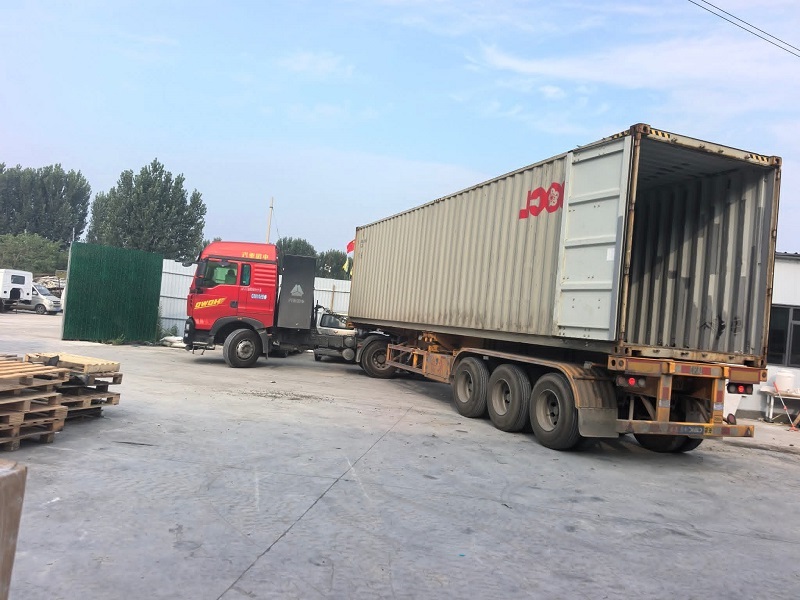
Transport: FCL or LCL, according to your preference. Goods will be wrapped for protection and crates with reinforcing material will be used.
Taking time: Production run: It normally takes 15–25 business days while special or intricate designs/requirements will take at least two-and-a-half weeks or even longer (40 days in the extreme case). At the time of placing the order we will advise you the correct lead time.
Warranty
We are responsible for 12 months from the time of delivery. If a part fails due to manufacturing defects like - Casting defect, machining error, wrong materials - we replace the part or give credit. Wear parts, broken impact part or modified ones from delivery? Not covered.
We give straight answers whether the warranty is applicable or not.
For making claims, you can send us images of the part, the part number, and the order number. After that we will respond within 48 hours.
If a production batch is faulty, we remould the batch keeping all the standards in the original work same, like drawing, material and tolerance.
If you have any questions? About materials, specifications, machining instructions, drawings, etc., we directly respond to you. Never a dead end.
About Yaojia Trading
Luoyang Yaojia Trading Co., Ltd. has over 20 years of practical experience in casting and metal component manufacturing. The company was founded by Mr. Xi Xianmin, who has more than 25 years of experience in foundry production and engineering management.
Our capabilities:
18,000m² modern production base
~68 employees
16-person R&D team with two senior engineers
Annual casting and machining capacity:15,000 tons
IATF 16949 quality management certification
Integrated services:
Aluminum casting (HPDC, sand, permanent mold)
Multi-axis CNC machining
Heat treatment
Surface treatment and coating
Inspection and CMM
Supply-chain coordination
Customers & markets:
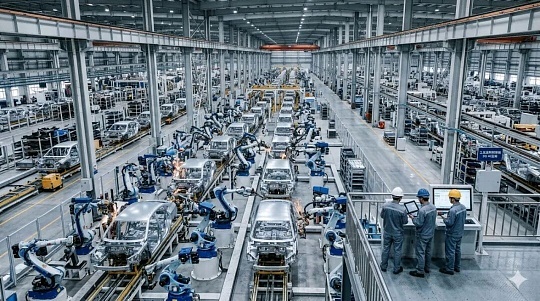
Tier 1 supplier to BYD, Chery, Great Wall Motors
Agricultural equipment OEM supply
Aftermarket replacement parts
Products exported to South Korea, Japan, USA, Australia, Germany
Exhibition
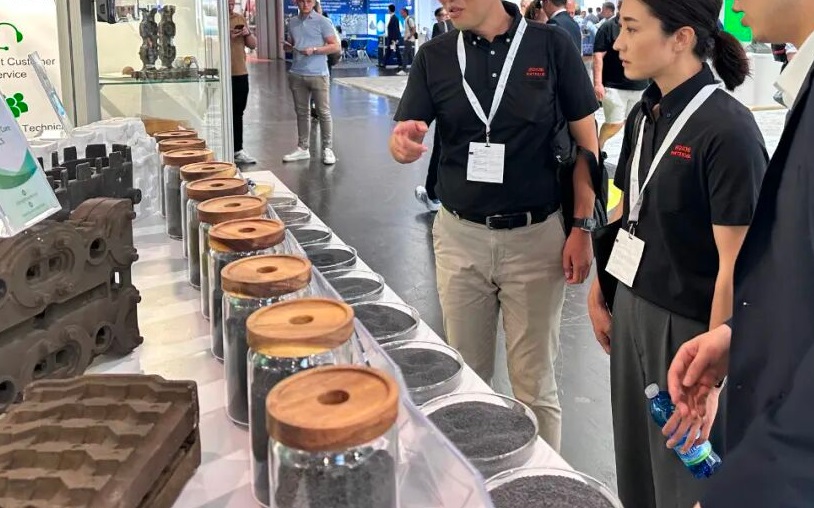
In May 2024, Yaojia Trading exhibited at the China International Foundry Technology and Equipment Exhibition in Shanghai, showcasing casting accuracy and comprehensive industry-chain service capabilities.
FAQ
Q1: Can you produce parts to my drawings?
Yes. Drawings, CAD files, technical specifications, photos, or samples are all acceptable as the basis for production.
Q2: Do you offer CNC machining after casting?
Yes. CNC machining can be arranged for drilling, threading, bearing seats, sealing surfaces, and mounting faces.
Q3: Can you recommend aluminum alloys for my application?
Yes. We can recommend the best alloy based on strength, weight, corrosion resistance, machinability, casting method, and environmental conditions.
Q4: Can you produce prototypes?
Yes we can. It's a great way to test and validate the design at a limited cost before the final manufacturing.
Q5: Have you the ability to produce replacement parts for old farming machines?
We surely can produce any parts for which the original drawing is missing. A physical piece of the part or even a wornout one will be reverse engineered.
Q6: Do you have any quality control in the factory before shipping?
We do. The main ones will be the dimensional check, external appearance, and surface condition but material testing is also done if the component is made of special materials.
Q7: Can you make very big volumes?
Absolutely. Once the prototypes or samples are approved, production can be started based on forecasts and agreed quality levels.
Q8: What is your typical lead time?
We usually do standard runs in 15-25 days. For more complex runs with special materials, it may take up to 25-40 working days to complete the job. Lead time confirmation is given at the time of order placement.
Q9: What is your MOQ?
For normal regular production, 50 units or the like minimum order quantity is required. As for prototypes and small quantities, it could be discussed with you.
Q10: What is your annual production capacity?
15,000 tons per year, covering casting and CNC machining.
Q11: What certifications do you hold?
IATF 16949. We are a Tier 1 supplier to BYD, Chery, and Great Wall Motors.
Q12: What agricultural applications do you serve?
Harvesting, planting, irrigation, tractor attachments, hydraulic systems, and general farm equipment.
Four questions to ask any agricultural aluminum casting supplier
What aluminum alloys do you recommend for outdoor agricultural applications?
Can you combine casting, machining, and finishing in one production route?
What inspection and material certification do you provide?
Do you have experience with similar agricultural components?
We have answers ready. Ask us.