Supply Chain Resilience Drives Global Buyers to Seek Integrated Complete Casting Industry Chain Services
A More Practical Way to Source Castings
For an overseas buyer, sourcing a cast component can involve more companies than expected.
One supplier may make the mold, another handles casting, and machining or surface treatment is sent somewhere else. On a simple part, this arrangement may work. On a complex component or a larger production program, however, every additional handoff creates another point where information can be lost or schedules can slip.
This is one reason buyers are paying more attention to Complete Casting Industry Chain Services. Instead of coordinating several independent workshops, they can work with one production partner that takes responsibility for the main manufacturing stages.
Fewer Production Handoffs
The problem with a fragmented supply chain is not only delivery time.
Suppose a machined component has a dimensional problem. Was the issue caused by the casting allowance, heat treatment, machining setup, or an earlier change to the drawing? When different companies handle each stage, finding the answer can take time.
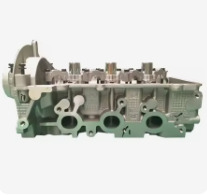
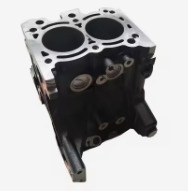
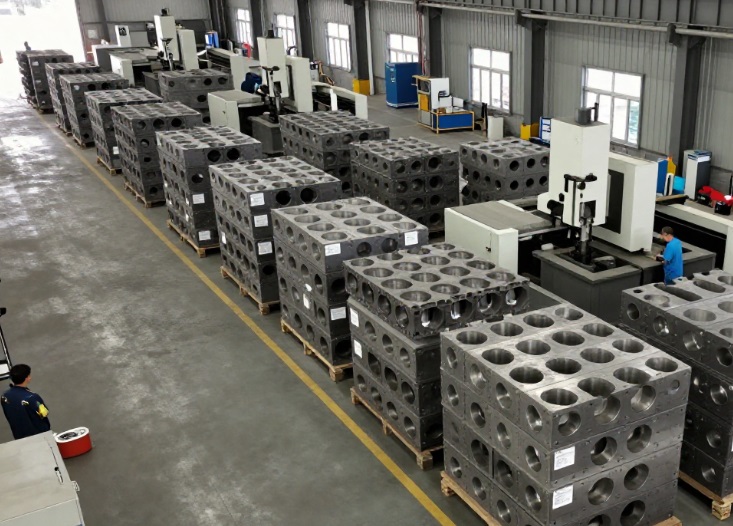
Yaojia coordinates mold development, casting, heat treatment, machining, and related inspection within its production system. For Precision Casting Mass Production, this gives the engineering and quality teams a clearer view of what happened to the part at each stage.
It also means that production information does not have to travel through several unrelated subcontractors before a decision can be made.
Samples Before a Larger Commitment
Most custom components deserve a trial run before a buyer commits to full production.
The drawing may specify the dimensions and material, but a physical sample tells engineers much more. It shows whether the casting can be produced as expected, whether critical features are practical to machine, and whether the finished component fits the intended application.
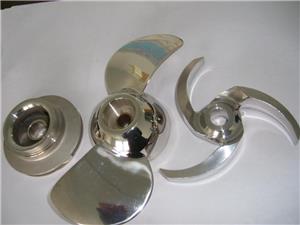
With Drawing-Based Processing and Sample Customization, Yaojia works with customer drawings and technical requirements before moving into larger quantities. Engineers can discuss tolerances, material grades, machining allowances, and surface requirements with the customer's technical team.
The sample then becomes a useful reference when both sides decide whether the project is ready for regular production.
Quality Records That Can Be Traced
For international buyers, quality documentation is part of the purchasing process rather than an afterthought.
Yaojia applies Full-Process Quality Control and Assurance to its casting production, with inspection carried out at relevant stages before finished products are released. The company operates under a TS16949 quality management system certification and has supplied automotive-related customers including Chery, BYD, and Great Wall Motors.
Clear inspection records also make incoming inspection easier for overseas buyers. If a question comes up after delivery, the production and inspection information provides something concrete to review rather than relying on memory or verbal explanations.
Production Scale Has to Match the Project
Price is important, but buyers also need to know whether a supplier can keep up when an order grows.
Yaojia operates from an 18,000-square-meter production base and has stated an annual production capacity of 30 million tons of castings. This figure should be verified against the company's actual product scope before publication, especially for automotive casting materials, because the stated volume is unusually large.
For long-term projects, production scale can help the supplier plan equipment, labor, materials, and scheduling more efficiently. It also gives buyers a better basis for discussing how a project will be handled when demand changes.
Engineering Input Can Save More Than It Costs
A casting supplier's job is not necessarily finished when the metal comes out of the mold.
A small design detail can affect mold complexity, material flow, machining requirements, or the likelihood of defects. Finding that issue while the drawing is still being reviewed is usually easier than discovering it after tooling has been completed.
Yaojia has a 16-member R&D team, including two senior engineers. The team works on casting process issues and can discuss design adjustments with customers when a component presents manufacturing difficulties.
The aim is not to change the customer's design simply for the sake of changing it. The more useful approach is to identify where the proposed design may create unnecessary production difficulty and discuss alternatives with the engineering team.
Export Orders Need More Than Production Capability
Shipping a casting overseas involves requirements that do not always appear on the product drawing.
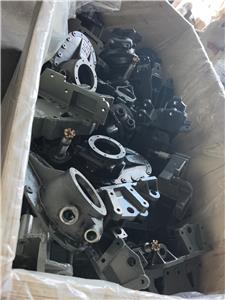
Packaging, corrosion protection, inspection documents, labeling, and transportation conditions can all affect how the finished parts arrive at the customer's facility. Yaojia has supplied casting products to customers in South Korea, Japan, the United States, Australia, Germany, and other markets.
The company can adjust packaging and inspection arrangements according to project requirements. For repeat orders, keeping these details consistent can be just as important as maintaining the casting dimensions.
Working Across Time Zones
Distance is another issue that overseas buyers have to consider when selecting a Chinese casting supplier.
A technical question that arises during an engineering review may need an answer before the customer's next working day. Online meetings, digital drawings, inspection reports, production photographs, and factory video calls make this type of communication more manageable.
Yaojia uses these tools during Drawing-Based Processing and Sample Customization projects so that customers can follow development without making a trip to China for every technical discussion.
For a new supplier relationship, this also gives buyers more opportunities to see how a project is progressing before the first large shipment.
What an Integrated Supplier Really Changes
An integrated casting supplier does not remove every production risk. Casting remains a manufacturing process with variables that have to be controlled.
What it can do is reduce the number of separate links involved in the project.
When mold making, casting, heat treatment, machining, inspection, and export preparation are coordinated through one manufacturing system, it becomes easier to trace problems, communicate changes, and keep the production schedule aligned.
That is the practical value behind Complete Casting Industry Chain Services.
Built for Repeat Orders, Not Just One-Off Parts
For many industrial buyers, the first successful order is only the beginning. Once a component enters regular production, the supplier needs to maintain the same technical requirements while handling changes in quantity, drawings, materials, or delivery schedules.
Yaojia combines Complete Casting Industry Chain Services with Precision Casting Mass Production, Drawing-Based Processing and Sample Customization, and Full-Process Quality Control and Assurance to cover these different stages.
The goal is straightforward: give overseas buyers one place to discuss the project from the first drawing and sample through repeat production and shipment, without having to rebuild the supply chain every time the project moves into a new stage.